



Are you planning to bring a Labrador Retriever puppy into your family?
Then there are a few important things you should know about this breed.
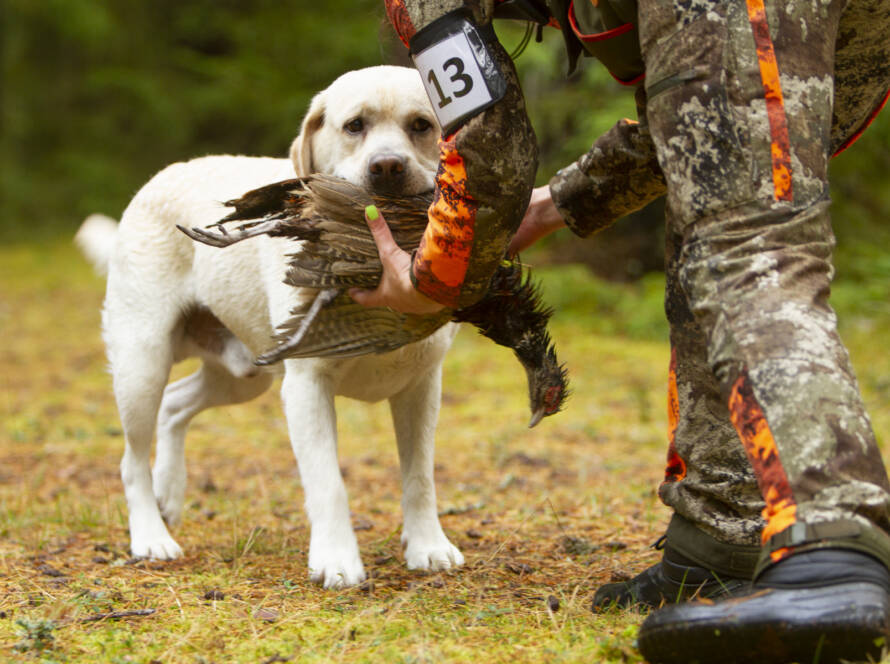
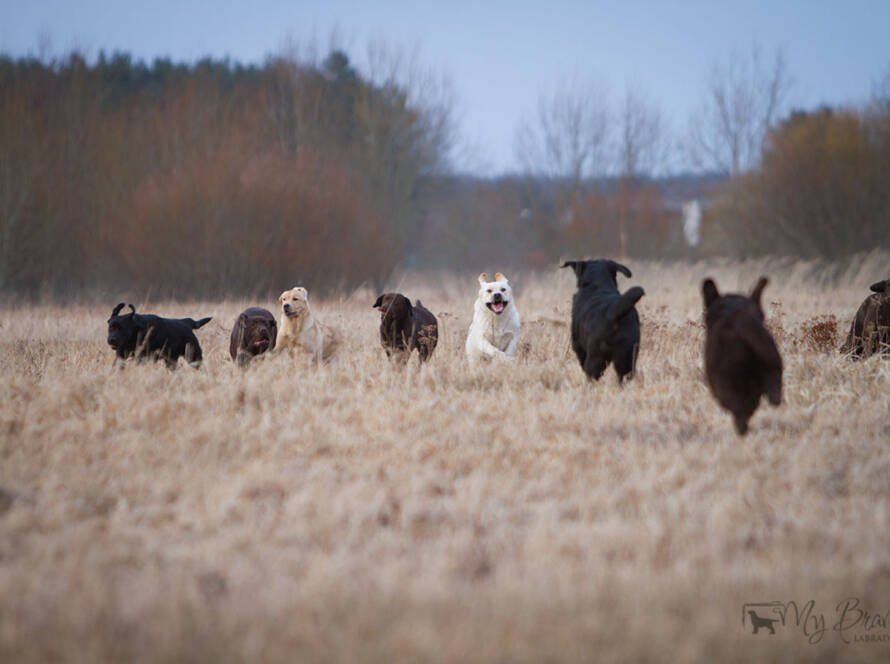
The Labrador Retriever was originally bred as a hunting dog and is valued for its work ethic, activity level, and strong drive. Its physical structure makes it an excellent partner in bird hunting, where it must work in cold water, dense reeds, and cover long distances across fields, meadows, and open landscapes.
As an intelligent breed, the Labrador requires daily activity that goes beyond the usual “once-a-day walk” routine. For many Labradors, the life of a passive house pet is not enough and may lead to unwanted behavior. A Labrador is best suited to someone who, in addition to wanting a family companion, is also willing to provide training, hobbies, and meaningful activities that support the dog’s development and give it a sense of achievement.
An average Labrador has a strong desire to work and enjoys new and exciting tasks and challenges. Boredom and a monotonous lifestyle that do not allow the dog to use its natural abilities may result in nervousness, hyperactivity, or destructive behavior. Daily active walks and mental stimulation through training, hobbies, or enrichment activities help keep the dog balanced and prevent problems.
The Labrador Retriever is a friendly breed and should not display fearfulness, aggression, or insecurity. Labradors are not guard dogs, and any signs of guarding behavior or aggression are undesirable from a breeding perspective.
The Labrador is a large and active dog, typically weighing between 28–45 kg (62–99 lbs). It can easily sweep items like cups off a coffee table with its tail and, even as a puppy, may accidentally knock over a child. Dogs and children should never be left unsupervised, and clear household rules should be established to ensure safe interaction.
For example, it is wise to place the puppy in another room, a pen, or a crate during mealtimes, as a food-loving Labrador quickly learns that grabbing a sandwich from a child only takes a single jump. If you want your dog to learn to walk without pulling on the leash, you should not allow children to walk the puppy or let it drag them from one post or object to another. Walks, socialization, behavior training, and education should be the responsibility of adults, not children.
Labradors shed. Period.
You will find hair in the corners of your home, on your clothes, and sometimes even in a freshly opened pack of butter. Shedding the old coat and growing a new one twice a year is completely normal, and no miracle product will stop it entirely.
In return, you get a dog that is unfazed by cold, wind, or harsh weather conditions. It will happily swim among ice in winter, move through ditches, dense brush, and even nettles. Thanks to its double coat, it tolerates cold and wind extremely well.
A Labrador is not suitable for someone who is allergic to dogs. Before getting a puppy, make sure that no one in your family has a dog allergy.
Before making your decision, it is worth meeting different Labradors and learning about the breed from owners, breeders, and reliable sources. Labradors can vary quite a lot in both appearance and temperament, and the more clearly you can define your expectations, the more likely you are to find a dog that truly suits you.
If possible, offer to dog-sit a Labrador for someone you know—this will give you the best insight into what life with this breed is really like.
IS THIS LITTER AND THIS PARTICULAR PUPPY RIGHT FOR ME?
Just as not all German Shepherds are like Inspector Rex, not all Labradors are calm and easygoing, as they are sometimes portrayed. Two dogs of the same breed can differ greatly in temperament, appearance, and activity level. One Labrador may be calm and gentle, while another is energetic and highly driven.
Breeding lines and breeders’ goals also vary. For some breeders, temperament is the top priority; for others, working ability or appearance takes precedence. Therefore, not every litter—or every puppy—is suitable for every family.
Describe as clearly as possible to the breeder what kind of life you envision with your future dog and what kind of home and family you can offer. Be sure to mention if you plan to train your dog or engage in any activities, such as dog sports, hobbies, or even preparing the dog for assistance work.
It may happen that a puppy of the desired sex and color is available, but its temperament or natural traits do not match your expectations. Likewise, if you are interested in a specific activity, it is important that the puppy has the natural potential suited for it.
Take your time, ask questions, and trust the breeder’s experience—this is how the right puppy for your lifestyle finds its way into your home.