


Over the years, I have met several puppy enthusiasts who haggle over the price of a puppy and consider the price of pedigree dogs to be unreasonably expensive. There are those who “dog "I'm not willing to pay that much for it," and one of the interested parties, upon hearing the price of a puppy, calculated that "if I got 5 puppies every month and sold them for that price, I would bask under a palm tree and hire a team to do the work."
Looking at the prices of pedigree puppies, one might get the impression that this is a business where big numbers ring. At the same time, pedigree puppies without papers are offered online for half the price. So why such a price difference and why do pedigree dog breeders go to work alongside their dogs instead of resting under a palm tree?
On this page I give an overview of what financial and time investments make up the price of one purebred puppy.
Before we talk about the costs and benefits of breeding, it should be clarified that when I use the word breeder, I mean a person who is engaged in breeding. He wants to preserve the good characteristics typical of the breed and improve them in each subsequent generation, keeping in mind the breed standard that has been internationally agreed for that breed. These can be characteristics related to the breed:
* with appearance (so that the Labrador doesn't have pricked ears or spots on its back, so that the Dachshund isn't knee-high or the Dalmatian is striped, etc.),
* with health (so that short-nosed dogs do not have breathing problems or hereditary diseases do not spread within the breed, which can be tested and ruled out if possible)
* with character (so that a Labrador is not aggressive or a representative of a service dog breed is not cowardly, etc.)
* with working properties (so that instincts are preserved and the breed is able to do the work intended for it, be it herding, guarding, hunting or something else)
The primary goal of the breeder is to carry forward the best qualities of the previous generation and eradicate the worst in each generation.. Each puppy should be healthier, have a more typical breed character and be prettier than its parents, or at least as good. To achieve this, breeding work must be selective (= the breeding value of each dog is carefully considered and not all will produce offspring) and consistent.
By breeder I do not mean people who simply breed dogs, produce puppies and take no responsibility for them in any way after receiving the money. Nor does breeding mean litters that “born of love“, „because a male needs to taste pleasure, then he will calm down" or "because every female must have a litter at some point“ (which is all a big myth). Buying such puppies is like Russian roulette, which we can talk about at length some day. If you want more information about the background of such an activity, google “backyard breeder“.

Business or hobby?
If you think about it now, ethical dog breeding and business are completely contradictory concepts.
The goal of business is to make a profit, avoid losses, and to do so, minimize costs whenever possible. However, ethical dog breeding requires investments and expenses, much of which the breeder could avoid and which never bring any benefit in return, but which the breeder does with the good prospects for the future litter in mind.
In the case of a business, all fixed assets that have been depreciated and only produce expenses are quickly written off. An ethical dog breeder feeds, cares for and, if necessary, treats all dogs under his care. These include puppies or young dogs whose breeding suitability and value will only become clear after a year or two; dogs of fertile age who will have litters and veteran dogs who will no longer have puppies. Everyone must be equally guaranteed quality food, treatment and a lifestyle appropriate to the species.
This is also the place that highlights the biggest difference between puppy mills and ethical breeding. Puppy mills save money wherever possible and keep costs low through poor quality or species-unsuitable food, inadequate vaccinations and deworming, lack of veterinary services and living conditions that are unsuitable for the animal. The dogs are not health tested. Dogs are used to the maximum extent possible and anything with sex characteristics is suitable for making puppies. Females are exhausted with litters so often and for so long that they simply cannot cope anymore, and the puppies are sold through such channels that the breeder can “disappear” and escape responsibility if the puppies get sick or die in their new homes.
Where do the puppy's parents come from?
Before a breeder can start planning a litter, they need to find a female. It is not uncommon for breeding interest to arise when the first dog adopted as a family dog develops an interest and love for the breed. If that dog happens to be an excellent representative of the breed in every way, it may well become a breeding female for the kennel. Sometimes it happens the other way around.
Since breeding means selectivity, choices and the ability to let go if the “material” is not good enough, it can take time before a suitable female is found or one can be bred. Breeding is not like baking, where you measure out the quantities, let them rise and it comes out more or less the same every time. Dogs have diseases. They have usage characteristics, instincts, nervous systems, immune systems, appearance defects and much more that can make them unsuitable for breeding. Dogs have genes. And genes are like outer space – you never know what shit might fly at you.
It may happen that you find a nice puppy with a nice pedigree that you see in your mind as the mother of your future litters, but once you have brought it home, fed it, cared for it and raised it to adulthood, something appears in it that precludes its use in breeding. It does not pass health tests, does not look like a typical representative of the breed, does not have a suitable nervous system for the breed, the bite is wrong or an allergy develops. There are many variants that hinder the breeding career of dogs.
"We waited for Emma for years. I was on the waiting list at a well-known breeder in the US, where I appreciated her honesty and open attitude towards objectively evaluating her dogs. Almost all of her litters were booked in advance. When the litter finally came, we got the second choice of females after the breeder. The price at the time was double the price of an Estonian puppy, but the puppy was worth it in every way."
Emma charmed us all with her great character and lovely appearance. As the cherry on the cake, she passed all the health tests and when she came to the hunting trials as a puppy, she passed them with better results than a dog that had been trained for a year. At shows, the judges praised her movement and at home she was a perfect family pet.
Emma never had puppies. When it came time to plan a litter for her, it became apparent that nature had other plans. Coming from a litter of 12 puppies, she never got pregnant. We tried natural mating, intrauterine insemination, we did tests, we spent four-figure sums and the result was 0 puppies. After many years of trying, Emma is now retired.”
Each breed has its own requirements for assessing a dog's suitability for breeding. In the case of Labradors, hip and elbow dysplasia tests, eye tests, and genetic tests for common diseases are considered essential to rule out their occurrence in puppies. In addition, the dog should be a healthy dog in the normal sense of life, without allergies or other diseases that are considered hereditary.
“Of every promising puppy that I leave home to grow up to become a breeding dog in the future, about one in five actually ends up in breeding. This number may seem small, but it comes from the fact that I don't want to allow anyone who may have a hereditary defect into breeding. Over the past few years, I have excluded dogs due to, for example, an insecure and nervous character, severe allergies or some anatomical defect. One of the best puppies in the litter grew into a female with a wonderful character, appearance and health, but two of her littermates have had knee cruciate ligament surgery and it would be naive to think that she doesn't have a hereditary background. So she must be excluded from breeding as well.”
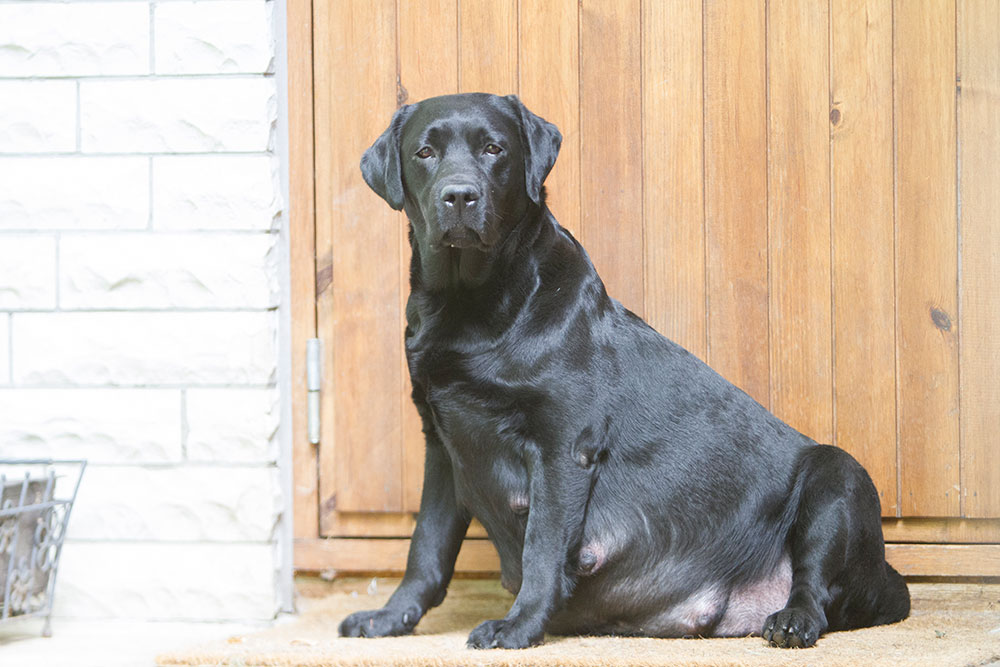
Costs for certifying a dog's breeding suitability (prices based on the example of Labradors)
- Dysplasia studies (hips and elbows, x-ray + official assessment of the Estonian Kennel Club) 210 €
- Eye examinations (must be repeated every 12-24 months) €60
- Heart tests (must be repeated every 12-24 months) €150
- Various diseases and hereditary characteristics genetic tests (EIC, prcd-PRA, HNPK, DM, Cystinuria, CM, longhair, dilute, etc.) each test 38-172 €
- Show scores – Many breeds have a requirement for show scores in their breeding requirements, as shows are a place where a judge assesses a dog’s compliance with the breed standard. The price of show registrations in Estonia is around €35 on favourable terms, and for later registrations it can be up to €100 per show. Travel costs to and from the show (petrol, hotels, etc.) can also be included: €35-100 registration + transport depending on the location
- Breed-specific tests – for some breeds, a test result is mandatory to prevent dogs with atypical nervous systems, timid or aggressive dogs from entering the breeding program. The registration prices for tests are the same as for shows, but preparing for the tests also means prior training and related expenses. 35-100 € registration + transport depending on the location
You can get a good idea of the costs that breeders make on dogs by looking at dog websites. Look at which shows the dog has participated in and measure the distance between the show venue and the breeder's residence. National show in Rakvere? European Winner show in Belgium? Breed specialty show in England?
See what genetic tests have been performed on the dog and multiply them all by the prices listed above.
All of these amounts are an investment that the breeder makes in a future breeding dog, without knowing whether that dog will ever have a litter.
For most breeders, their breeding dogs are also beloved family members, for whom they always provide high-quality food, vaccinations, deworming, training, and medical expenses, even if it later turns out that the dog is not going to have a litter for some reason.
In March 2018, I conducted a survey on social media among our puppy owners to see how much money they spend on average per dog per month, and it turned out to be overwhelmingly €100-150 per month. This is a fixed monthly cost for each dog, which is incurred regardless of whether puppies are born in the house or not. If there are 5 dogs in the kennel, this means a monthly cost of €500-750 even without any breeding activities, i.e. health tests, show costs or genetic tests.
Expenses that precede the litter
If the dog has passed a thorough health check and is also suitable for breeding in terms of appearance and character, then congratulations! Now the costs associated with planning a litter begin. Most of the costs associated with a litter must be paid before any puppies are born or sold. These costs are also paid if no puppies are born at all, few survive, or puppies with some defects are born. The costs before the litter can depend on the breeder's choices, but I will give them here as an example.
- Progesterone tests to measure the correct mating or fertilization time, if the breeder wishes - €20-50, usually 2-3 tests are needed
- Worming medication before mating and during pregnancy €15-25
- Trip to the male (gasoline, ferry tickets, plane tickets, etc.) €20-2000?
- Mating fees for the owner of the male 500-2000 €
- In the case of artificial insemination:
- Sperm shipping kit for refrigerated sperm: €80-120, container rental for shipping frozen sperm €700-1300
- Sperm collection at a vet costs €150-200 for refrigerated sperm, €400 for frozen sperm
- Transport for refrigerated sperm €100-500, for frozen sperm €600-1000
- Fertilization €70-400
- Ultrasound to detect pregnancy €30-50
- Herpes vaccine (many breeders consider this important, as the herpes virus is a common cause of female infertility, miscarriages, or mass puppy deaths) 2 x €50 = €100
- Supplementation during pregnancy premium quality food specifically designed for pregnant dogs. At the end of pregnancy, the food intake may increase compared to normal.
Once again – none of these expenses guarantee that puppies will be bornIt happens relatively often that females do not become pregnant for one reason or another.
If we look at kennel activities not only through the eyes of the female owner, but also from the perspective of the male owner, then breeding activities may also include:
- Sperm quality checks at the vet €40-80 per time
- Sperm freezing, approximately €400 per session and storage fee approximately €60-130 per year
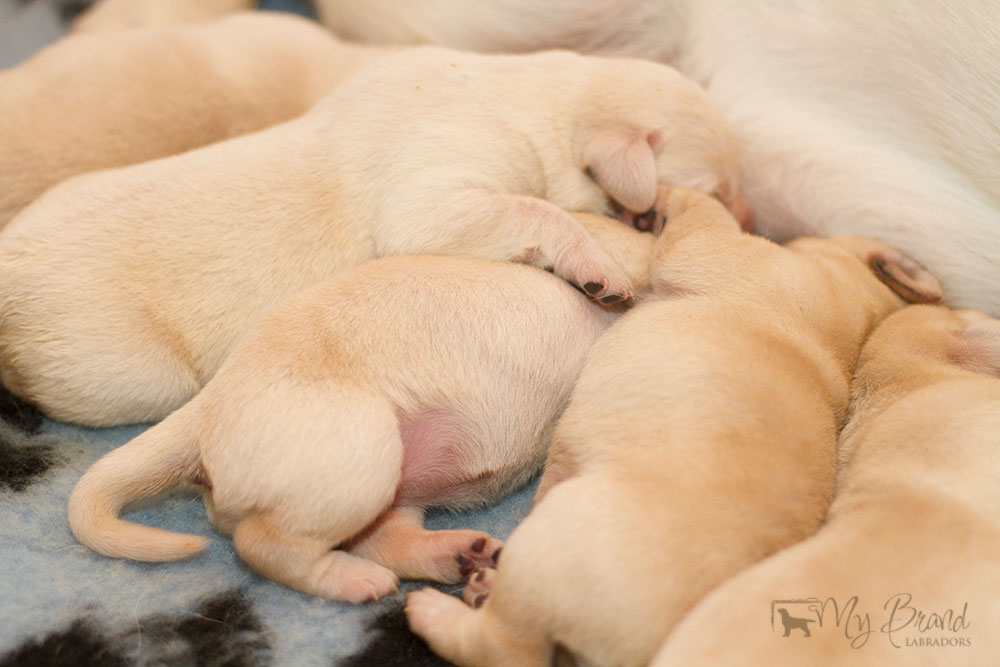
Expenses per litter born
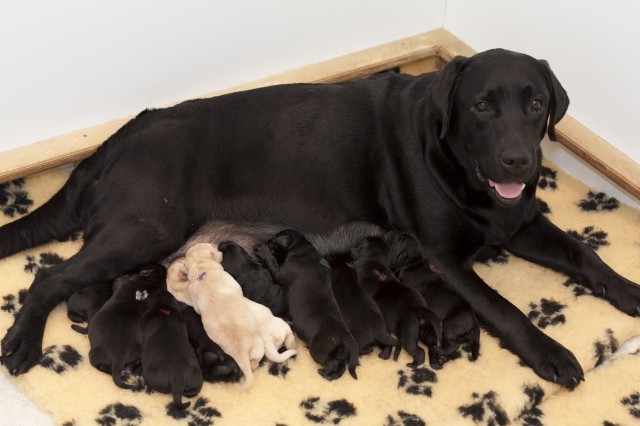
If everything went well again, the breeder can start preparing for the birth. The list of birthing supplies varies from breeder to breeder, some prefer an inflatable children's pool as a nesting box, others a wooden structure with safety edges. Some mark the puppy with a piece of yarn, others buy each puppy their own different colored collar. Puppies of some breeds need to go outside early and need a run with proper soil, while others can grow indoors until the time of surrender.
Most of the time, expenses during the litter are divided into items such as:
- Nesting box (you can make it yourself, but you can also order special boxes online, the prices of which range between €80-400)
- Birth supplies (absorbent mats, thermometer, scissors and thread for tying the umbilical cord, rubber gloves, towels)
- If the litter is large, the mother's energy needs increase by 25% per puppy from the third week onwards, meaning that the food requirements multiply. With eight Labrador puppies, their mother can eat about 7.5 kg of dry food per week.
- In most cases, there is a need to add meat and home-cooked food (minced meat, cottage cheese, unflavored yogurt, etc.)
- *** Supplementary food for puppies usually means meat in the third week and later a mixture of meat and dry food. An average 4-week-old Labrador puppy eats 250 g of dry food and 200 g of meat per day. At eight weeks, these amounts are about 450 g of dry food and 500 g of meat. So, for eight puppies, the average daily consumption is about 3.6 kg of dry food and 4 kg of meat. *** Litters vary, these quantities are based on our 2017 litters.
- Registering each puppy with the Kennel Club costs €15 for members and €30 for non-members.
- Puppies' chips and microchipping (20€ per puppy)
- Europassid ja loomaarsti ülevaatustõendid (15-25€ per kutsikas)
- Character tests or breed-specific instinct tests (optional, approximately €15 per puppy)
- Deworming of puppies every two weeks (average 5€ per puppy each time, 80€ per litter for surrender)
- Puppy packages, which include a puppy care, feeding and raising guide (NB! According to the Kennel Club breeder's obligation contract, each breeder must provide this with their puppies), as well as toys, care supplies, a starter pack of food for the first few days, a leash or training equipment for the puppy, if the breeder wishes to provide it), the average puppy package price is €100 per puppy. Sometimes breeders are also supported by food importers with puppy packages. Our puppy packages are largely put together by the pet store Minu Koer, so you only have to buy a little yourself.
- Mattresses and toys for puppies as they grow. Since some puppies also use mattresses as toilet seats or chew toys, they can get a lot of wear and tear.
- Newspapers, sawdust or pellets, if the puppies are already walking and living indoors. Everything that goes in comes out, and every few hours. Only breeders can imagine the mess that 8 Labrador puppies can make in one night.
- Crate, run area, and nests/nests outdoors if the puppies have already moved outside.
- Primary vaccination, which some breeders do at 8 weeks and some at 12 weeks, but this is at the breeder's expense (20€ per puppy).
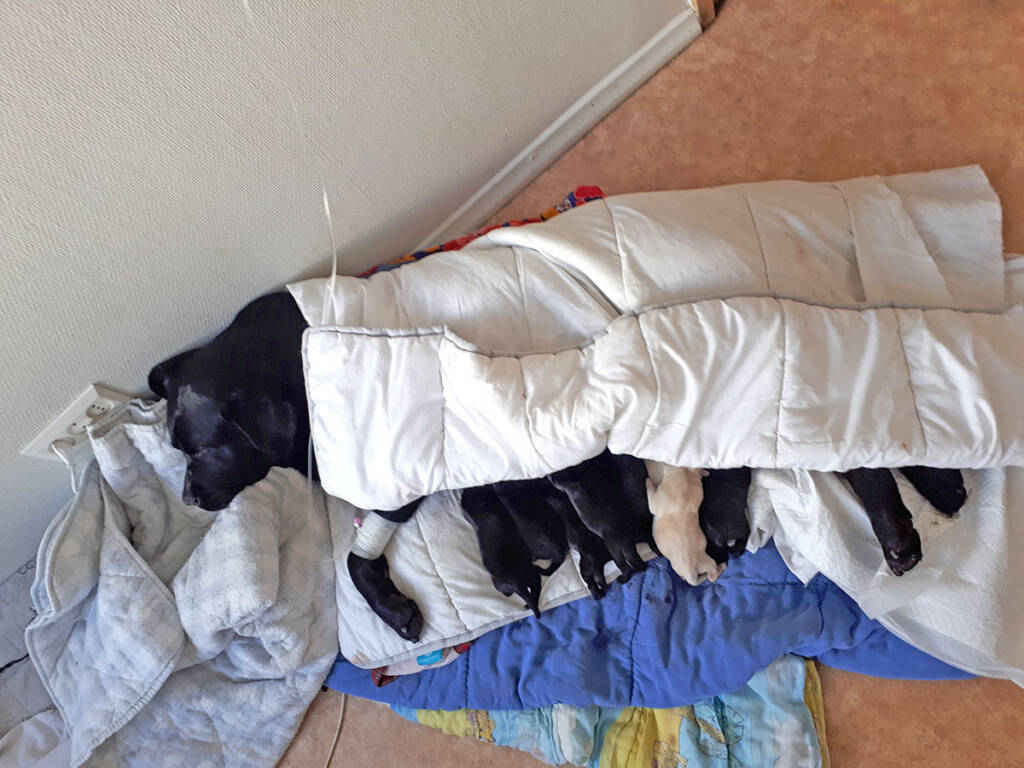
Unexpected things can happen. Here are some examples of what has happened in our kennel:
- Night cesarean section on the weekend €900
- 24-hour treatment of a 4-week-old puppy in an animal emergency room (dehydration, anemia) €300
- Diagnosis of a congenital malformation in a 5-week-old puppy and euthanasia €500
- Treatment, euthanasia and necropsy of a 6-week-old puppy €1,500
- Repeated treatment of mastitis in a female dog €250
Once the puppies are well grown to the age of surrender, it is time to decide where they will go. This is the moment when the breeder first receives some kind of reward for their work.
If the reason for planning litters is to improve the breed, then the breeder's interest is to keep the puppies that have turned out to be the most promising and that show the best qualities of their parents and the breed, either for his own home or for co-ownership with a nearby family. He does not receive a sale price for them.
Dogs are living beings and they consist of a galactic array of genes, in which case it may happen that despite all the preparation and effort, a puppy is born with a congenital defect. Sometimes they become angels already in the litter box, with the breeder, but if it is a hidden defect that even a veterinarian cannot detect during an examination, then this can happen later, for example, when the puppy is already in its new family. For example, a puppy may be discovered to have a congenital heart defect, kidney failure, some other defect that shortens its life span, or it may have to be put to sleep. In such a case, the breeder may come forward and compensate the put-down puppy with a new puppy from one of their next litters for free.
The breeder will also not charge full price for puppies that are found to have a hereditary defect (color defect, malocclusion, undescended testicle, or hernia, for example). The price of these puppies is, according to agreed custom, one third lower than the regular price.
If you add up the money you get for the remaining puppies and compare it to the costs of the litter, you can see that in the case of a large and decent litter, the breeder may be left with one or two puppies for their four months of work and years of planning. If there are few puppies, they are born with defects, or complications arise, the breeder will be left with a loss. However, if you add up all the costs, starting from the monthly bills for food, shows, and other kennel activities, it is already difficult to make a profit, and the fact is that most breeders pay for this hobby.
Expenses that cannot be measured in money
Time
A breeder spends years researching pedigrees, traveling to shows, trials, and visiting other breeders and kennels around the world to better understand the breed, its history, and trends. He keeps himself up to date with the challenges and issues of the breed, and ways to better avoid problems and diseases that the breed may encounter.
A good breeder will recognize that they are not primarily out to get rid of the puppy, but rather thoroughly assess the expectations, suitability and willingness of puppy enthusiasts to take on 15 years of responsibility for the puppy that the breeder has planned and cared for. Even after meeting potential puppy owners, the breeder may refuse to sell the puppy and is prepared to keep the puppies with them for longer until a suitable owner is found. It also takes time to guide and support new puppy owners. Many breeders conduct training or meetings for their puppies and are always a phone call away. This is in addition to their main job and family.
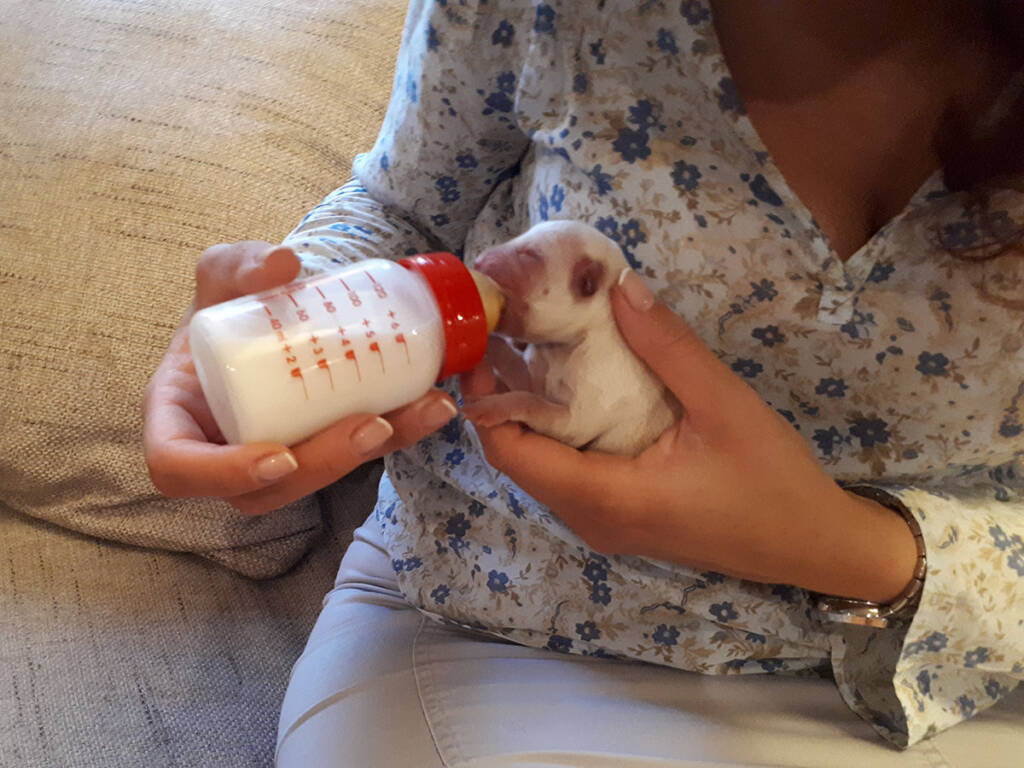
The breeder's workday as a midwife and puppy carer is often 24 hours a day, 7 days a week. If complications arise and the puppies need to be bottle-fed, this can mean weeks of sleepless nights for the breeder. Breeders are not compensated for overtime and do not have days off or holidays.
How much is a reasonable hourly rate for this kind of work?
Heartache
Every breeder has stories to tell that didn't end well. Almost every breeder has held a puppy that became an angel. Sometimes an entire litter can die, or in the worst case, the mother of the litter. Nursing puppies and dogs day and night isn't for everyone. To be a breeder, you have to be able to get out of the slumps and push forward despite the difficulties.
Dedication
Breeders owe a debt of gratitude to their patient family members who are willing to travel with them on Christmas Eve to a dog's wedding, if necessary, or to endure extermination battalions (read: puppies for surrender) at home, who try to destroy as much of the surrounding inventory as possible with minimal effort, leaving puddles and piles of their own.
Sometimes the breeder sleeps next to the litter box, cuddling newborn puppies weighing a few hundred grams, to feed them from a bottle every few hours and encourage them to come to life. Other times, the breeder takes 6-week-old puppies to socialize and see the world, in order to make it easier for the new owners to live with their dogs. Breeders are dedicated to their litter and this cannot be measured in money.
Readiness
The breeder is willing to bear the time, emotional, and material costs if something were to happen to their dogs.
Similarly, the breeder is ready to take their pet back at any time if, for any reason, the family wants to give up the dog. If necessary, the breeder will help find a new home for the dog or solve its behavioral problems. The breeder is out to ensure that their pets live long and happy lives.
So there is a lot more to the price of a puppy than meets the eye. Raising puppies is an expensive hobby and certainly not a business.
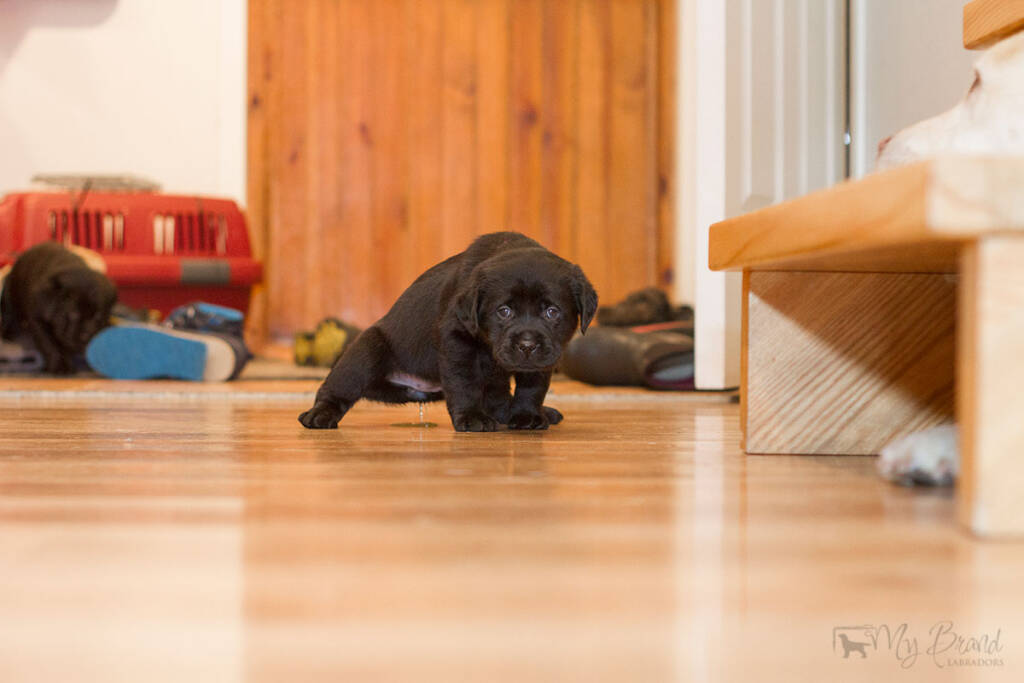
For you, the story begins with your puppy, but for the breeder, it represents years (decades) of work, planning, trying, disappointment, trying again. The breeder looks at your dog and sees in him the physique of his grandfather, the proportions of the last generations, the setting of his mother's ears, the way his littermates move, and the temperament of his father. He is happy that he managed to correct the mistakes of his parents in this puppy or bring out the typical characteristics characteristic of this line. He is thrilled when your dog passes the health tests cleanly and grows into a wonderful companion for you and your family. Always a phone call away.
What price are you willing to pay for the dedication of a breeder?
In English on the same topic: