

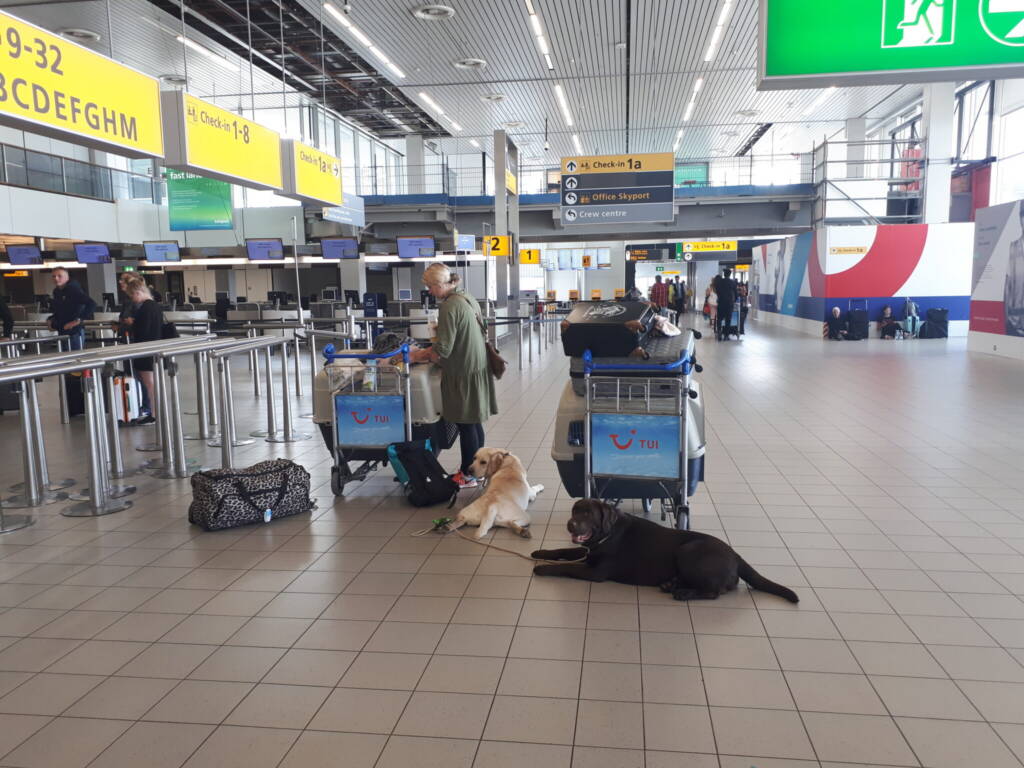
A puppy is most receptive to new experiences before they are 16 weeks old, and adapting to any new situation becomes much more difficult for them after that. It is never too late to start, and it is possible to socialize an older dog well, it just takes more time and patience.
“The 12 Rules of a Puppy” is a general guide that can be used to socialize a family, working or sporting dog. If done correctly, it will give the puppy a good experience, make it “bombproof” and help it cope with all kinds of unexpected situations. Many breeders have started training their puppy in the puppy crate (“The 7 Rules of a Puppy”)
In all of this, it is important to move according to the puppy and its pace, and the puppy will emerge from all situations with a sense of success and positive emotions.
By the time your puppy is 12 weeks old, he or she should be experienced
- 12 different surfaces – wood, mulch, grass, asphalt/concrete, glass, wet grass, gravel, mud, sand, puddles, metal grates, uneven surfaces, metal, crispy foil, plastic, bubble wrap, table, chair, etc.
- 12 different fun things - furry toys, hard toys, large and small balls, funny-sounding toys, wooden objects, paper/cardboard objects, milk cartons, metal objects, etc.
- 12 different places – front yard, other people's homes, lake, pond, river, boat, elevator, stairs, car, moving car, animal clinic (just to say "hello" and have a positive experience), grooming salon, etc.
- 12 different people outside the family – adult men, adult women, children, elderly adults, people in wheelchairs, people on crutches, people with beards, people with hats, people with sunglasses, etc.
- 12 different noises – garage door opening, doorbell, sirens, children playing, babies crying, keys rattling and dropping, hair dryer, large trucks, airplane noise, motorcycles, washing machines, skateboards, shopping carts rolling, motorboats, clapping, loud singing, vacuum cleaners, lawnmowers, pan dropping, etc. It is very important to watch your puppy’s body language during this exercise to ensure he is not frightened or uncomfortable. Reduce the distance to the object or noise levels until he feels comfortable, and reward him with lots of tasty treats and praise. Take the time to learn about dog body language and stress signals
- 12 fast-moving objects (don't let them chase you) - skateboards, roller skates, bicycles, cars, trucks, boats, people/children running, cats, dogs, vacuum cleaners, horses running, etc.
- 12 different challenges – going up stairs, climbing in/out of a box, going through a tunnel, overcoming obstacles, going in and out of a door, walking on a wobbly table, playing hide and seek, jumping over something, taking a bath, etc.
- Handling by a family member 12 times a week – lifting onto lap, holding on chest, holding close to the floor with the owner, holding between the owner's legs, holding the head, looking in the ears, holding the paws, holding on the back, cutting nails, looking at the teeth, etc.
- 12 different containers to eat from – wobbly bowl, plastic cup, ceramic cup, coffee cup, pie plate, plastic, frying pan, KONG toy, dog-safe puzzle toy, spoon feeding, etc.
- Eating in 12 different places – backyard, front yard, barn, kitchen, basement, bedroom, laundry room, friend's house, car, school, bathroom, high table (under supervision), etc.